Need septic system repair services in Pevely?
Request a callback to check provider availability, or send the request form with your notes and photos. No obligation.
No obligationA septic system has a few main parts: the house line, the tank, the distribution box and the drainfield. When one part fails, the others suffer. Repair means a provider finds the weak spot, explains it and fixes only what is needed.
Hairapothecaryco Septic is a referral service. It does not do the repair work. It connects homeowners in the Pevely area with independent providers in its network. First, sort out what you are seeing. Next, gather photos and notes. Then talk to a provider about an estimate. Older houses often hide clay pipe, patched lines and past repairs, so a careful plan helps.
Start with the signs that need the fastest action. Then work down the list.
Waste coming up in a tub, floor drain or basement is the top priority. Stop using water. Skip laundry and showers. Request a callback to check provider availability, since many providers can respond quickly to a backup.
Pooling water or a sewage smell over the tank or field points to a failing system. Keep kids and pets away from the spot.
One slow drain is often a clog. Every drain slow at once, with gurgling toilets, suggests a tank, line or field problem.
Notes before estimates. Do this before anyone arrives:
This record helps a provider diagnose faster. It also keeps your estimate comparisons clean.
Baffles guide the flow inside the tank. When one breaks, solids can slip toward the field. Old concrete or steel tanks may also crack or rust.
Tree roots, settled soil and deep frost can crack or separate pipes. Older homes may still have clay or fiber pipe that has aged badly.
Some systems use a pump chamber. A failed pump or float can cause backups even when the tank itself is sound.
1. The provider asks about symptoms and reviews your notes. 2. Next, they locate the tank, lid and lines. 3. They check liquid levels, baffles and the flow to the field. 4. If the tank is full of solids, they may pump it first. That is a form of emergency septic cleaning that makes the inspection clearer. 5. They explain the cause and give a written estimate. 6. Then the repair is done, and the system is checked again.
The drainfield spreads treated water into the soil. When soil clogs, water rises or backs up.
Drainfield repair can include fixing a damaged distribution box, replacing broken pipe, or resting part of the field. Some fields can be improved by correcting the cause, such as heavy loads of water or solids. Others have failed soil and need replacement.
Spring flooding and saturated ground can make a weak field look worse. A provider may suggest checking again once the soil dries.
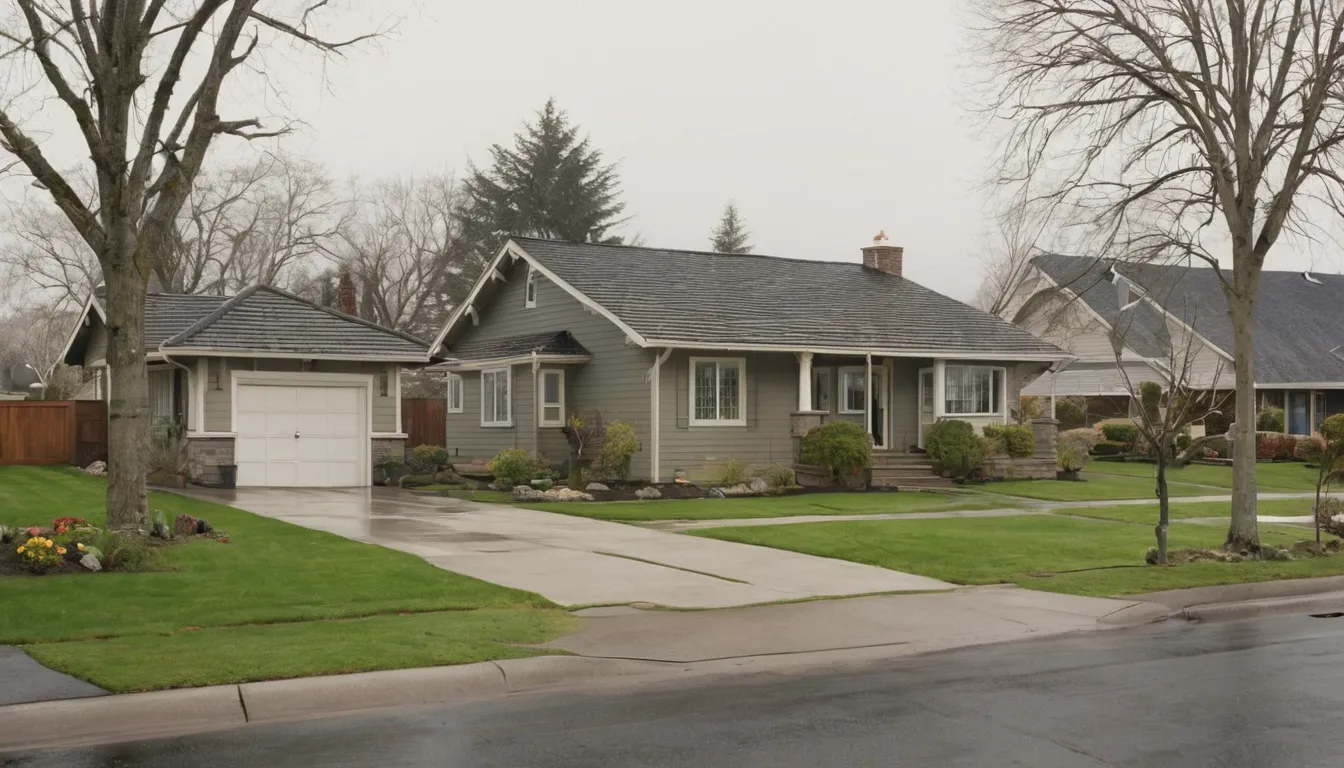
Older frame houses, bungalows and ranch homes often have systems from many decades ago. Expect a few unknowns:
A good provider plans for surprises. Ask what could change the estimate once digging begins.
Repair makes sense when the fault is limited, such as a baffle, a pipe section or a pump. Replacement is worth discussing when the tank is cracked, the field has failed, or repairs keep returning.
Ask the provider to explain both paths in writing. Compare the cost, the expected lifespan and the local permit steps.
If your home uses a private well, tell the provider. Septic trouble near a well can affect water quality. A water well service professional can test the water and check the well, separate from the septic work.
Keep every estimate, invoice and permit in one folder. Some policies may cover sudden damage, but many exclude wear and slow failure. Check your policy. Providers can often help document damage for a claim, so ask for a written description of the problem.
1. What caused the failure? 2. What is included in the written estimate? 3. What could raise the price? 4. Is a permit needed? 5. What should I watch for afterward?
First, document it. Next, contact a provider. Then compare the written estimates with no obligation.
A provider checks the tank, lines, pump and field to find the true cause before suggesting work.
Repairs to cracked tanks, lids, baffles and outlet filters, where the fault allows.
Broken or root-filled lines and distribution boxes can often be repaired or replaced.
Providers can explain partial repair, resting a field, or full replacement in writing.
These are typical U.S. ranges only. Real prices vary by job, soil, access and local permit rules. Always get a written quote that lists exactly what the work includes.
| Item | Typical range | Notes |
|---|---|---|
| System inspection or camera check | $300 – $700 | Often the first step to find the fault |
| Baffle or outlet filter repair | $250 – $900 | Depends on tank access and material |
| Pipe repair, house to tank | $1,000 – $4,000 | Digging depth and pipe type matter |
| Distribution box repair | $500 – $2,000 | Older boxes may need full replacement |
| Drainfield repair | $2,000 – $10,000 | Scope varies with soil and damage |
| Drainfield replacement | $5,000 – $25,000+ | Permits and design can raise the total |
Take photos, write down symptoms and dates, and gather any old septic records you can find.
Request a callback or send the request form to be connected.
An independent provider checks the tank, lines and field, then explains the findings.
Review the written estimate, ask questions, and approve repairs only when ready.
Providers in the network are independent and do the work. The referral service does not.
Photos, notes and records help providers understand your system before the visit.
Requests mention aging pipe, past repairs and unknowns so providers can plan well.
Request an estimate, compare and decide on your own schedule.
Request a callback to check provider availability, or send the request form with your notes and photos. No obligation.
No obligationWatch for sewage backups, slow drains throughout the house, gurgling, strong odors and soggy ground over the tank or field. Any of these means a provider should inspect the system soon.
Sometimes. Fixing a damaged box or pipe, or correcting the cause of overload, can help. If the soil has failed, replacement may be needed. A provider can explain which applies.
Some policies may cover sudden damage, but wear and slow failure are often excluded. Check your policy, and ask providers to document the damage and repair in writing for any claim.
Request a callback to check provider availability, or send the request form with your notes and photos. No obligation.
No obligation